Learning to Sit With Emotional Pain: Building Stress Tolerance & Healing
In a world that teaches us to avoid discomfort, numb pain, or “stay positive,” sitting with emotional pain can feel unnatural — even frightening.
But healing does not happen by escaping pain.
It happens by learning how to safely stay with it.
As a mind–body–soul process, emotional healing isn’t about forcing yourself to endure suffering. It’s about building stress tolerance so your nervous system learns: “This feeling is uncomfortable, but I am safe.”
Why We Avoid Emotional Pain
When you’ve experienced lifelong criticism, trauma, or emotional invalidation, strong feelings may feel overwhelming. Your system may have learned:
- Big emotions are dangerous
- My feelings are too much
- I have to fix this immediately
- I need to shut this down
Avoidance can look like:
- Overworking
- Overthinking
- People-pleasing
- Numbing (scrolling, food, substances)
- Spiritual bypassing
Avoidance isn’t weakness — it’s protection. But long-term healing requires expanding your capacity to stay present.
What Is Stress Tolerance?
Stress tolerance (sometimes called distress tolerance) is your ability to:
- Experience discomfort without shutting down
- Feel strong emotions without reacting impulsively
- Stay grounded when triggered
- Move through pain instead of around it
It’s not about eliminating pain.
It’s about strengthening your capacity to hold it.
Like a muscle, it builds gradually.
Step 1: Regulate Before You Reflect
You cannot process emotional pain when your nervous system is overwhelmed.
Start with regulation:
- Slow, deep breathing (longer exhales than inhales)
- Placing a hand on your chest or stomach
- Naming five things you see, four you feel, three you hear
- Gentle movement or stretching
Regulation tells your body: “We are safe right now.”
Only then can you sit with the emotion.
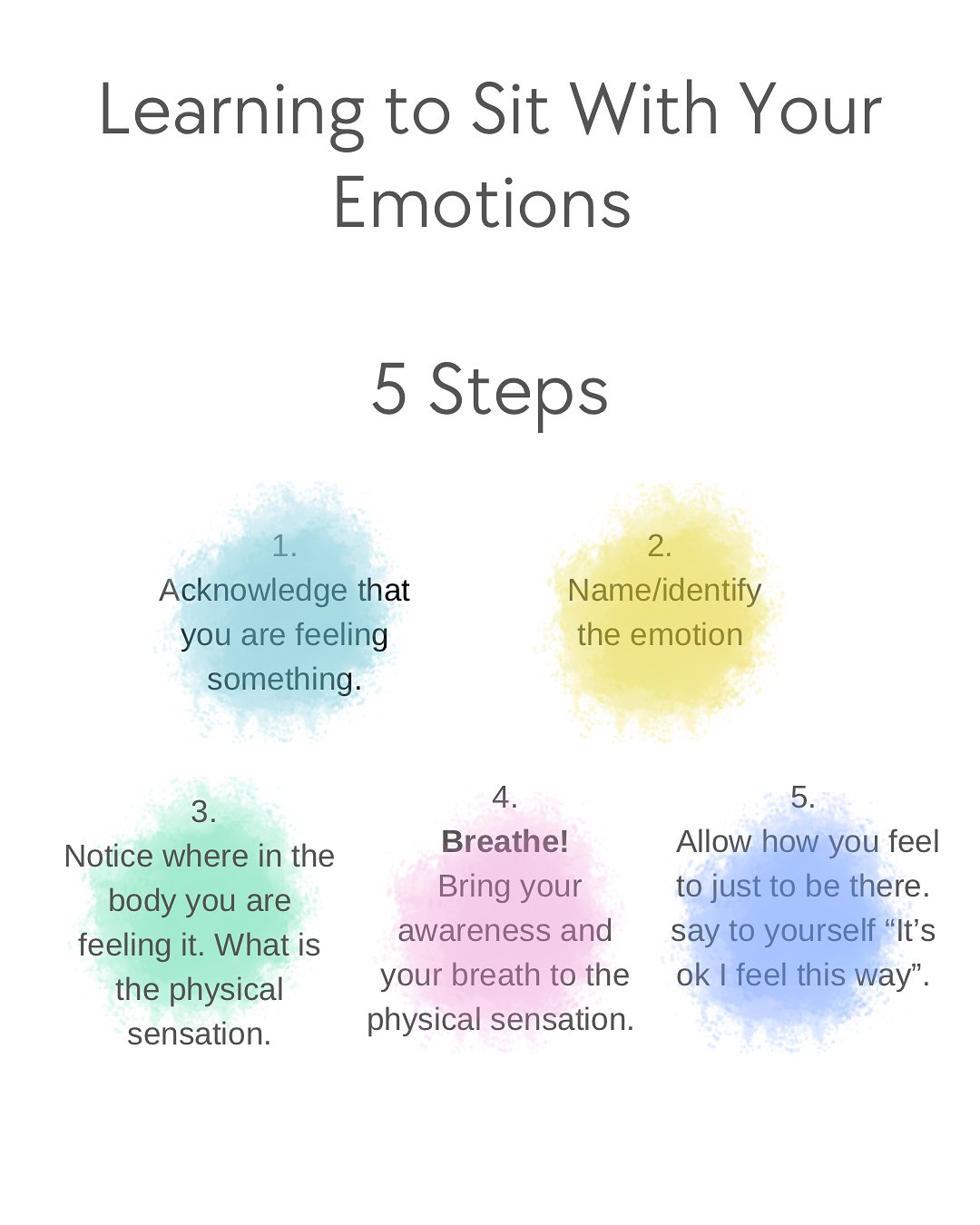
Step 2: Name the Emotion Clearly
Many people say, “I feel bad,” but healing requires precision.
Ask:
- Is this sadness?
- Is this shame?
- Is this fear?
- Is this grief?
Naming reduces intensity. It activates the thinking brain and softens the stress response.
Instead of:
“I can’t handle this.”
Try:
“This is shame. Shame feels heavy in my chest.”
Step 3: Allow the Sensation in the Body
Emotions are physiological experiences.
Instead of analyzing the story, ask:
- Where do I feel this in my body?
- Is it tight, hot, heavy, shaky?
- Can I breathe into that area for 30 seconds?
You are not trying to remove the feeling.
You are practicing staying with it — gently
Step 4: Use Compassionate Self-Talk
Emotional pain often activates the inner critic.
Replace:
- “I shouldn’t feel this way.”
- “I’m too sensitive.”
- “This is stupid.”
With:
- “Of course this hurts.”
- “Anyone in my position would feel something.”
- “I can stay with this for a moment.”
Compassion increases stress tolerance. Shame decreases it
Step 5: Build Tolerance in Small Doses
You don’t sit with overwhelming trauma all at once.
Instead:
- Stay with discomfort for 30–60 seconds
- Take a break
- Regulate
- Return gently
This is called titration — small exposures that build resilience without retraumatizing.l
Signs Your Stress Tolerance Is Growing
- You react less impulsively
- Emotional waves pass more quickly
- You recover faster after triggers
- You feel less afraid of your own emotions
- You need less numbing behavior
Growth is subtle at first. But powerful.
Healing Happens in the Staying
When you learn to sit with emotional pain:
- You stop running from yourself
- Your nervous system learns safety
- The inner critic loses power
- Self-trust grows
Pain that is felt with compassion transforms.
Pain that is avoided tends to intensify.
A Gentle Reminder
You are not weak because emotions overwhelm you.
You may simply have never been taught how to hold them safely.
Stress tolerance is not about becoming tougher.
It’s about becoming more regulated, more compassionate, and more embodied.
And that is healing.