Modern life can keep us in a state of constant stimulation. Work demands, relationships, financial pressures, parenting, uncertainty, and everyday responsibilities can leave our nervous system feeling like it is always “on.”
You may notice this as anxiety, irritability, racing thoughts, muscle tension, difficulty concentrating, emotional overwhelm, fatigue, or trouble sleeping.
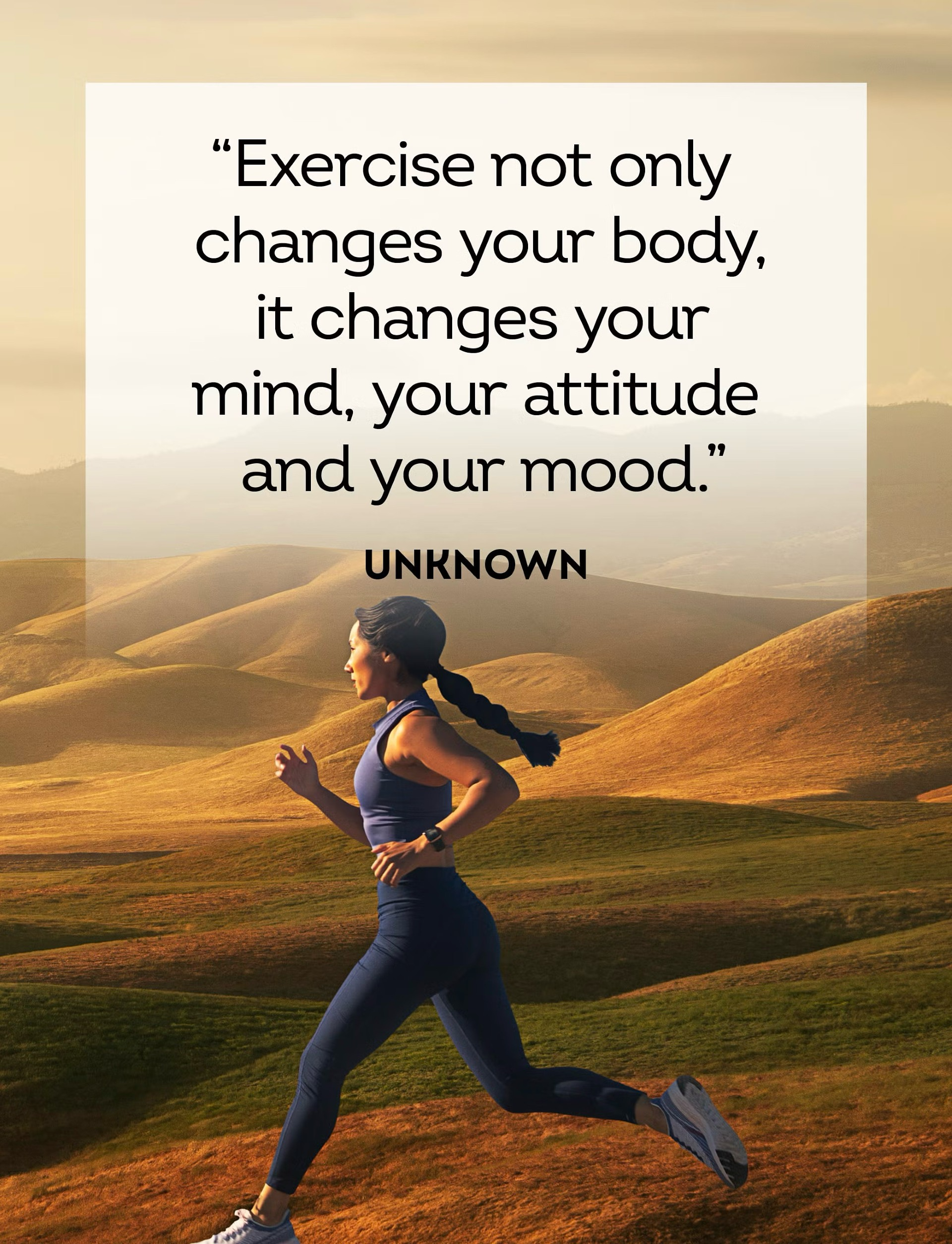
One of the simplest ways we can support our nervous system is through something our bodies were designed to do: move.
Your nervous system and stress
When we experience stress, the brain and body respond by preparing us to deal with a perceived threat. Your heart rate may increase, your muscles become tense, your breathing changes, and your attention becomes focused on what might go wrong.
This response is helpful when we need to respond to an immediate danger. The problem occurs when our bodies remain in this activated state long after the stressful situation has passed.
Chronic stress can leave us feeling as though we are constantly bracing for something.
This is where movement can become an important part of emotional regulation.
Movement gives stress somewhere to go
When you are anxious or stressed, your body is already preparing for action.
Walking, running, cycling, dancing, swimming, strength training, yoga, or even stretching can provide an outlet for some of that physical activation.
Movement increases circulation, changes breathing and heart rate, engages muscles, and influences systems in the brain involved in mood and stress regulation.
Rather than trying to simply think your way out of stress, movement allows you to work with the body as well as the mind.
Exercise can change how we feel
Physical activity can influence several brain systems involved in emotional well-being.
Regular exercise is associated with improvements in:
- Mood
- Anxiety
- Stress management
- Sleep
- Energy
- Concentration
- Self-esteem
- Emotional resilience
Exercise can also create a sense of accomplishment. When we follow through on caring for ourselves—even for a short period—we send ourselves an important message:
Exercise and anxiety
When we’re anxious, we can become hyper-focused on our thoughts:
What if something goes wrong?
What if I can’t handle this?
Why can’t I stop thinking about it?
Movement can interrupt this cycle by bringing attention back into the body.
You notice your feet touching the ground.
You feel your breathing.
You notice your muscles working.
You become aware of your surroundings.
This can help shift your attention away from repetitive thinking and toward the present moment.
It doesn’t mean exercise makes anxiety disappear. Instead, it can become one tool for helping your body and brain respond differently to stress.
Exercise and depression
Depression often creates a difficult cycle:
Low mood
low energy
less activity
isolation
less positive reinforcement
lower mood.
When you’re depressed, the idea of exercising can feel overwhelming.
That’s why the goal doesn’t need to be a workout.
It might be:
- Walking around the block
- Going outside for 10 minutes
- Stretching while watching television
- Gardening
- Taking the stairs
- Dancing to one song
- Going for a gentle bike ride
- Meeting a friend for a walk
The goal is not perfection.
The goal is to create movement.
Sometimes action has to come before motivation. Waiting until you feel motivated can mean waiting a very long time. Taking one small action can help create momentum.
Movement can help us reconnect with our bodies
Stress, anxiety, trauma, and emotional overwhelm can sometimes cause us to disconnect from our physical experience.
We may live primarily in our thoughts—analyzing, worrying, planning, replaying conversations, or anticipating what might happen next.
Movement gives us an opportunity to return to the body.
Instead of asking: “What am I thinking?”
we can begin asking:
“What am I noticing?”
What do my shoulders feel like?
How is my breathing?
Where am I holding tension?
What feels comfortable right now?
What does my body need?
This type of awareness can be an important part of emotional regulation.
You don’t have to exercise intensely
One of the biggest misconceptions about exercise and mental health is that you need to push yourself hard to benefit.
You don’t!
Movement can be gentle.
A walk in nature.
A swim.
Yoga.
Stretching.
A recreational sport.
Dancing in your kitchen.
Playing outside with your children.
The best exercise for your mental health is often the movement you can actually enjoy and sustain.
Make movement part of your mental-health toolkit
Think of exercise as one piece of a larger mental-health picture.
Your mental-health toolkit might include:
Movement + sleep + nourishing food + meaningful connection + time outdoors + mindfulness + emotional awareness + therapy + self-compassion.
You don’t have to change everything at once.
Start small.
Take a 10-minute walk. Notice your breathing. Feel your feet on the ground. Look around you. Allow yourself to be present.
Your body and brain are constantly communicating.
When we take care of the body, we are also supporting the mind.
And sometimes, regulating the nervous system doesn’t begin with finding the perfect thought.
Sometimes, it begins with simply taking the next step.