
You go to work. You take care of your family. You answer the texts. You make dinner. You smile when someone asks how you’re doing.
From the outside, everything may look fine.
But inside, you may feel exhausted, overwhelmed, anxious, disconnected, irritable, or simply like you’re barely holding everything together.
This is sometimes called high-functioning distress. It doesn’t mean that your struggles are any less real simply because you’re still managing to meet your responsibilities.
Just Because You’re Functioning Doesn’t Mean You’re Thriving
Many people have learned to keep going no matter how they feel.
They push through exhaustion.
They suppress difficult emotions.
They tell themselves, “Other people have it worse.”
They stay busy so they don’t have to think.
They become the person everyone else relies on while quietly running out of capacity themselves.
Over time, this can take a toll on your mental and physical well-being.
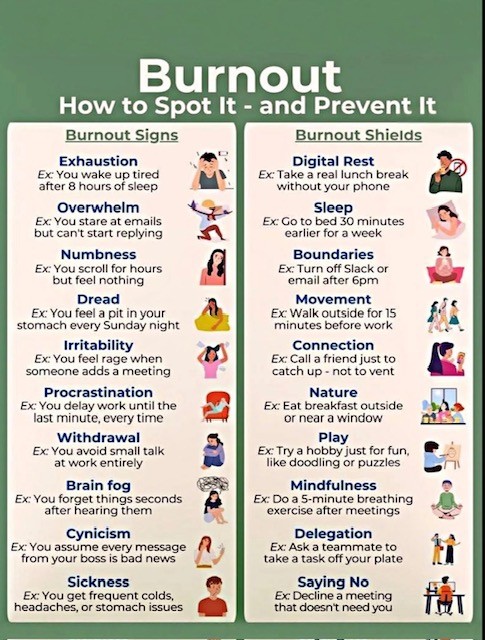
You may notice:
- Feeling constantly tired, even after sleeping
- Irritability or a shorter temper
- Difficulty relaxing when you finally have time to yourself
- Overthinking and worrying
- Feeling emotionally numb or disconnected
- Trouble concentrating
- Losing interest in things you normally enjoy
- Feeling guilty when you rest
- Becoming overwhelmed by small things
- Feeling like you’re always “on”
- Difficulty identifying what you actually need
Your Nervous System May Be Telling You Something
When we experience prolonged stress, our bodies don’t simply switch back to calm because the stressful situation is over.
Our nervous system can remain in a heightened state of alert.
This can make it difficult to relax, sleep, concentrate, regulate emotions, or feel present in our lives.
Sometimes what we interpret as “I’m failing,” “I’m too sensitive,” or “I should be able to handle this” is actually our body communicating that we’ve been carrying too much for too long.
You Don’t Have to Wait Until You Fall Apart
One of the biggest misconceptions about counselling is that you need to be in crisis before reaching out.
You don’t.
Counselling can be helpful when you’re functioning but struggling, when you feel stuck, when something doesn’t feel right, or when you simply want to understand yourself better.
Therapy can provide a space to slow down, understand what’s happening beneath the surface, reconnect with yourself, and develop healthier ways of responding to stress and difficult emotions.
Maybe the Question Isn’t “How Much More Can I Handle?”
Maybe the question is:
“How can I stop carrying so much alone?”
Your mental health matters even when you’re still getting everything done.
You deserve more than simply surviving your days.
You deserve to feel connected, supported, and present in your own life.
If you’re functioning on the outside but struggling on the inside, you don’t have to wait until things become unbearable to ask for support.
Mind And Soul Counselling offers a safe and compassionate space to explore what you’re experiencing and find a path toward greater balance, connection, and well-being.